This is a Hybrid meeting (in-person and on Jitsi) NOTE: The online server is only available during meeting times, so if you click on the link below and it doesn’t work then there is no meeting and this is normal.
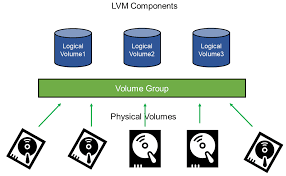
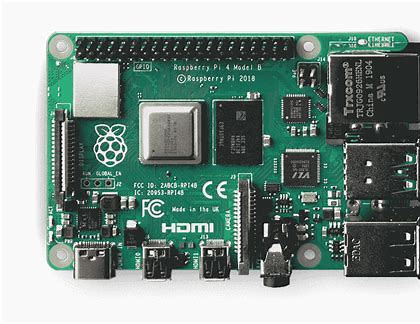
This session launches a two‑part deep dive into building a resilient, secure, and remotely accessible Raspberry Pi platform. Part I focuses on preparing a Raspberry Pi to operate from an external SSD using an encrypted LVM layout, establishing a solid foundation for containerized services in Part II.
The presentation walks through installing Debian 12 (Bookworm) onto the SSD, applying practical hardening measures, and structuring the system so that both the root filesystem and future container volumes reside within an encrypted partition. An unencrypted boot partition completes the setup, ensuring compatibility with the Pi’s firmware while maintaining strong data protection.
From there, the session moves into remote‑unlock and secure‑access workflows. Attendees will see how Dropbear is integrated into the initramfs to allow remote SSH access for unlocking the encrypted volume. The talk then introduces Cloudflare Zero Trust (formerly Cloudflare Tunnel), demonstrating how cloudflared can provide authenticated, firewall‑friendly access to both SSH and HTTP services without exposing the Pi directly to the internet. The session concludes with an introduction to Incus, the modern fork of LXC, preparing the ground for containerized feeder services in Part II.
This is a Hybrid meeting (in-person and on Jitsi) NOTE: The online server is only available during meeting times, so if you click on the link below and it doesn’t work then there is no meeting and this is normal.
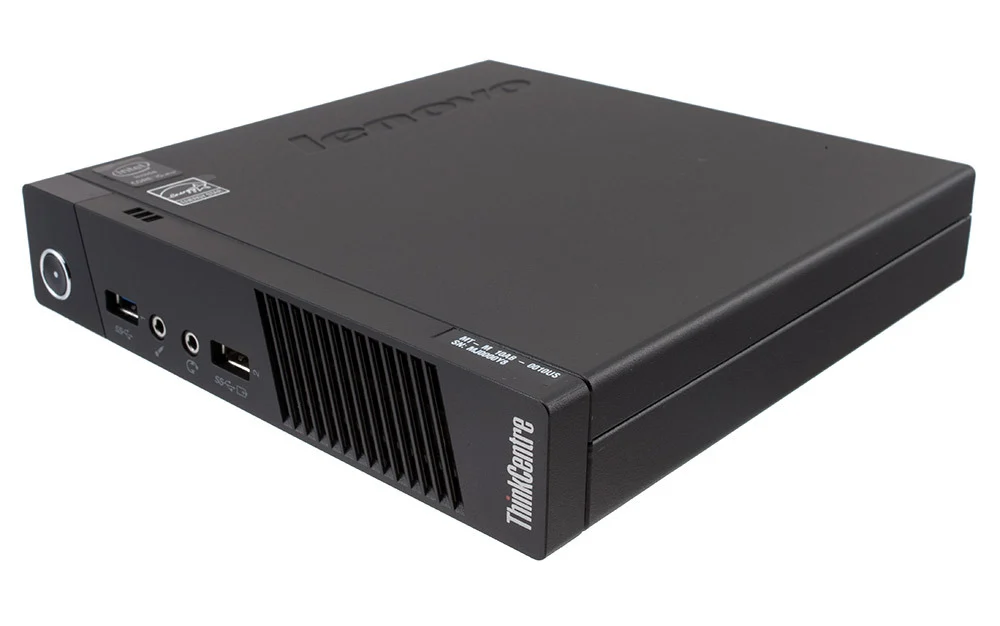
Mark’s Lenovo M93p Tiny PC and how he got it up and running.
Stuff includes:
– changing the BIOS battery, – re-pasting the CPU, – trying to add a mini-pci card — getting BIOS locked out when card is inserted (unauthorized!) — updating BIOS with trick to unblock the unauthorized card. – running the BIOS updater, – fixed, noisily the problem
Anyone want to bring their M93p tiny and do this stuff?
This is a Hybrid meeting (in-person and on Jitsi) NOTE: The online server is only available during meeting times, so if you click on the link below and it doesn’t work then there is no meeting and this is normal.
Object detection (identification of objects and their location in an image) is one of the most useful and widespread application of artificial intelligence, even on microcontrollers.
This demo shows how free, web-based tools designed for memory-constrained devices at www.edgeimpulse.com can be used to collect a dataset, train and test a neural network, and deploy it to an Arduino microcontroller to detect pop bottles.
This is a Hybrid meeting (in-person and on Jitsi) NOTE: The online server is only available during meeting times, so if you click on the link below and it doesn’t work then there is no meeting and this is normal.
This is a Hybrid meeting (in-person and on Jitsi) NOTE: The online server is only available during meeting times, so if you click on the link below and it doesn’t work then there is no meeting and this is normal.
This presentation will look at how to write a program in the Python programming language using a graphical user interface (GUI) library named PySide6. Our example program will accept a string of text, usually an HTTP link, and perform some sort of processing on said string. As part of the architecture of the program, to increase generality and usefulness, we use a shell (Bourne is the example) script, which is used to hold the command or commands processing the string. The Python GUI program will call this external program and capture its output. We will also take a brief look at PyInstaller for creating a distributable single executable.
This is a Hybrid meeting (in-person and on Jitsi) NOTE: The online server is only available during meeting times, so if you click on the link below and it doesn’t work then there is no meeting and this is normal.
This is a Hybrid meeting (in-person and on Jitsi) NOTE: The online server is only available during meeting times, so if you click on the link below and it doesn’t work then there is no meeting and this is normal.
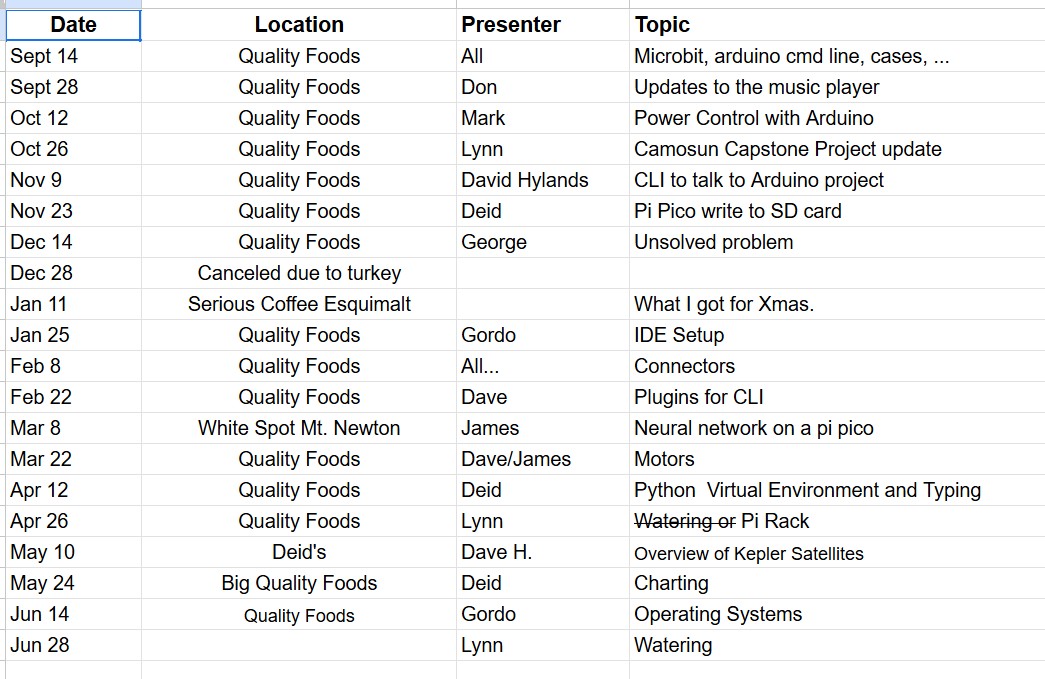
Click the image to see the Google Sheet updates, and see the following posts for more details. Technical talks, either full-length or a shorter lightning talk, in person or via Jitzi, are appreciated. Let us know.
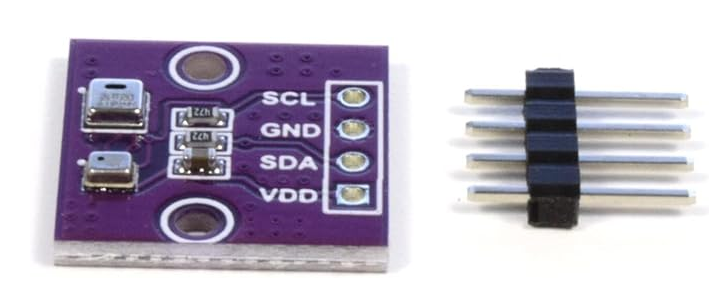
A continuation of Pi Pico SD Card. With the addition of humidity and barometric pressure and more fun with the charting. Deid’s presentation notes are here.
This is a Hybrid meeting (in-person and on Jitsi) NOTE: The online server is only available during meeting times, so if you click on the link below and it doesn’t work then there is no meeting and this is normal.
Happy Holidays to everyone. At this meeting we’ll share with each other what cool tech gadgets we received from Santa.
We will meet at Serious Coffee in Esquimalt, which has provided the mezzanine space to us (stairs are inside the coffee shop). Please buy a coffee or beverage on your way in to help support this business.
Where: Serious Coffee, 1153 Esquimalt Rd #27, Victoria, BC
This presentation will look at how to control the charging of an e-bike in order to enhance the life-time of a battery. The controlling mechanism consists of an Arduino Uno microcontroller with a Touchscreen shield, coupled with a PowerTail isolated-relay controlled A/C extension cord.
The interface will be simply touchscreen based ON/OFF buttons, plus buttons which add or set time blocks of charging duration. The interface is written using the Arduino IDE and its C++ coding environment.
We’ll do a pre-run for the VicPiMakers Open House on 13 April. We’ll share the Capstone Projects, as well as others are invited to share projects (15-30 minutes).
An application of Blue Board in calculating heat sink cooling capability, measured in Watts
By measuring the interior chip temperature over a few seconds of a chip cooled by a heat sink, you can calculate the watts dissipated by the heat sink. The DS18B20 measures temperatures up to 125℃ at the interior of the chip. This is a useful measurement If you are making your own heat sinks out of copper tubes or folded aluminum sheathing, You can also compare the effectiveness of different heat sink compounds this way.
The presentation is at this bookmark in a longer presentation on how to set up a Raspberry Pi Pico as a Blue Board learning tool. Blue Boards are available for free from George at 250-893-7423
Mark will share how to create a home git server (take that github!) and the workflow with it.
Basic Git Home “Remote” Server Using
SSH With Gitolite
Mark G. January 13, 2024
An installation and configuration of a source code control system (SCCS). The SCCS uses the Secure Shell (SSH) protocol, the Git version control system (VCS), and a software package named Gitolite. A user of the system provides a public key that is tied to configured identities for the purposes of access control to git repositories. The repositories configured on this server are intended to be used as remotes, in terms of how git defines a remote. This demonstration was hosted on a FreeBSD 13.x operating system running on a raspberry pi 4.
Naturally, you can run PiOS on your Raspberry Pi, but are there other options, which have a full GUI (XFCE). Turns out, you can run Alpine Linux with full GUI on the Pi. A lighter-weight distro, which also doesn’t require systems.
Why just run your own video conferencing server, when you can simultaneously run that AND mail, calendaring, contacts, calls, IM, file sharing, remote backup, and a web-based office suite, all in one intimidating package. Get your own thrift-store Google G Suite going with the open source Nextcloud platform on a tiny Raspberry Pi! Great for the privacy-conscious, the independent, and masochists. We’ll do it the hard way and make configuring Jitsi look like recess at kindergarten (and then do it the easy way). Warning: the hard way will race through dependencies including Apache, PHP, MySQL/MariaDB and openSSL, so expect some mild suffering.
Share the projects you have been working on over the summer. This will be a hybrid show and tell using Jitsi, and in person at Quality Foods (up stairs)
Craig will give an introduction to Codon, yet another Python compiler. He will cover the basics, the good, the bad, and what it is good for, and what Codon is missing. Read the HTML here.
We will be having a discussion about Projects that we are working on, but haven’t shared with the group. These can be projects that are successful or ones that just didn’t work out and have been abandoned. We’ll enjoy hearing about other’s projects, and perhaps even offer to help.