This is a Hybrid meeting (in-person and on Jitsi) NOTE: The online server is only available during meeting times, so if you click on the link below and it doesn’t work, then there is no meeting, and this is normal.
This is a Hybrid meeting (in-person and on Jitsi) NOTE: The online server is only available during meeting times, so if you click on the link below and it doesn’t work, then there is no meeting, and this is normal.
Hope you had a great summer and had some time to play/experiment with your Pis and others.
Our first Victoria Pi Makers and Others meeting for the 2026/2027 season will be Saturday, September 12th. Stay tuned to https://vicpimakers.ca/ for updated information.
The meeting starts with beverages and discussion at 09:45, with the formal part starting at 10:00 and ending at 11:15. Then we typically go for lunch.
This is a Hybrid meeting (in-person and on Jitsi) NOTE: The online server is only available during meeting times, so if you click on the link below and it doesn’t work, then there is no meeting, and this is normal.
VicPiMakers is taking a well-deserved summer break. We will be back to our regular bi-weekly programming in September. In the meantime… join us at our Linux SIG or NetSig. See the blocks on the right for the details and links.
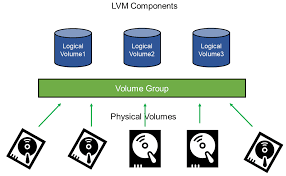
This session launches a two‑part deep dive into building a resilient, secure, and remotely accessible Raspberry Pi platform. Part I focuses on preparing a Raspberry Pi to operate from an external SSD using an encrypted LVM layout, establishing a solid foundation for containerized services in Part II.
The presentation walks through installing Debian 12 (Bookworm) onto the SSD, applying practical hardening measures, and structuring the system so that both the root filesystem and future container volumes reside within an encrypted partition. An unencrypted boot partition completes the setup, ensuring compatibility with the Pi’s firmware while maintaining strong data protection.
From there, the session moves into remote‑unlock and secure‑access workflows. Attendees will see how Dropbear is integrated into the initramfs to allow remote SSH access for unlocking the encrypted volume. The talk then introduces Cloudflare Zero Trust (formerly Cloudflare Tunnel), demonstrating how cloudflared can provide authenticated, firewall‑friendly access to both SSH and HTTP services without exposing the Pi directly to the internet.
This is a Hybrid meeting (in-person and on Jitsi) NOTE: The online server is only available during meeting times, so if you click on the link below and it doesn’t work then there is no meeting and this is normal.
This is a Hybrid meeting (in-person and on Jitsi) NOTE: The online server is only available during meeting times, so if you click on the link below and it doesn’t work, then there is no meeting, and this is normal.
Presenter: Mark G. Topic: Using ZFS on A Souped-Up Raspberry Pi 5
Abstract: This presentation gives an overview of the Zettabyte File System (ZFS) on a Raspberry Pi 5. The Pi 5 has 16GB of memory, helpful since ZFS is memory hungry. The operating system is 64-bit Raspberry Pi OS (Trixie). Topics covered are how to enable ZFS on Raspberry Pi OS, how to create a ZFS storage system, and some examples of ZFS in use.
Of note is the Pironman 5 Max case used to hold the Pi 5 and its built-in ability to allow for two NVMe drives to be attached directly to the Pi’s PCIe controller. ZFS works much better with directly attached drives rather than USB attached drives.
This is a Hybrid meeting (in-person and on Jitsi) NOTE: The online server is only available during meeting times, so if you click on the link below and it doesn’t work then there is no meeting and this is normal.
This is a Hybrid meeting (in-person and on Jitsi) NOTE: The online server is only available during meeting times, so if you click on the link below and it doesn’t work, then there is no meeting, and this is normal.
George will talk about his homemade “Clapper” that he uses to turn things on and off.
Robert and I, Deid, will do an informal demonstration of Meshtastic, a Lora radio mesh network. (meshtastic.org) I say informal as I just made this work yesterday, with a second node this morning. I’m hoping that Robert will help me fix what I have done wrong.
This is a Hybrid meeting (in-person and on Jitsi) NOTE: The online server is only available during meeting times, so if you click on the link below and it doesn’t work then there is no meeting and this is normal.
This is a Hybrid meeting (in-person and on Jitsi) NOTE: The online server is only available during meeting times, so if you click on the link below and it doesn’t work then there is no meeting and this is normal.
Deid will do a presentation on OpenSCAD. A programmatic method to create and print 3D things. This does not have much to do with the Pi, etc., but it is code, and the code will run on a Pi 5.
This is the perfect thing for someone like me who flunked scissors and crayons, but who is not bad at coding.
This session launches a two‑part deep dive into building a resilient, secure, and remotely accessible Raspberry Pi platform. Part I focuses on preparing a Raspberry Pi to operate from an external SSD using an encrypted LVM layout, establishing a solid foundation for containerized services in Part II.
The presentation walks through installing Debian 12 (Bookworm) onto the SSD, applying practical hardening measures, and structuring the system so that both the root filesystem and future container volumes reside within an encrypted partition. An unencrypted boot partition completes the setup, ensuring compatibility with the Pi’s firmware while maintaining strong data protection.
From there, the session moves into remote‑unlock and secure‑access workflows. Attendees will see how Dropbear is integrated into the initramfs to allow remote SSH access for unlocking the encrypted volume. The talk then introduces Cloudflare Zero Trust (formerly Cloudflare Tunnel), demonstrating how cloudflared can provide authenticated, firewall‑friendly access to both SSH and HTTP services without exposing the Pi directly to the internet. The session concludes with an introduction to Incus, the modern fork of LXC, preparing the ground for containerized feeder services in Part II.
This is a Hybrid meeting (in-person and on Jitsi) NOTE: The online server is only available during meeting times, so if you click on the link below and it doesn’t work then there is no meeting and this is normal.
This is a Hybrid meeting (in-person and on Jitsi) NOTE: The online server is only available during meeting times, so if you click on the link below and it doesn’t work then there is no meeting and this is normal.
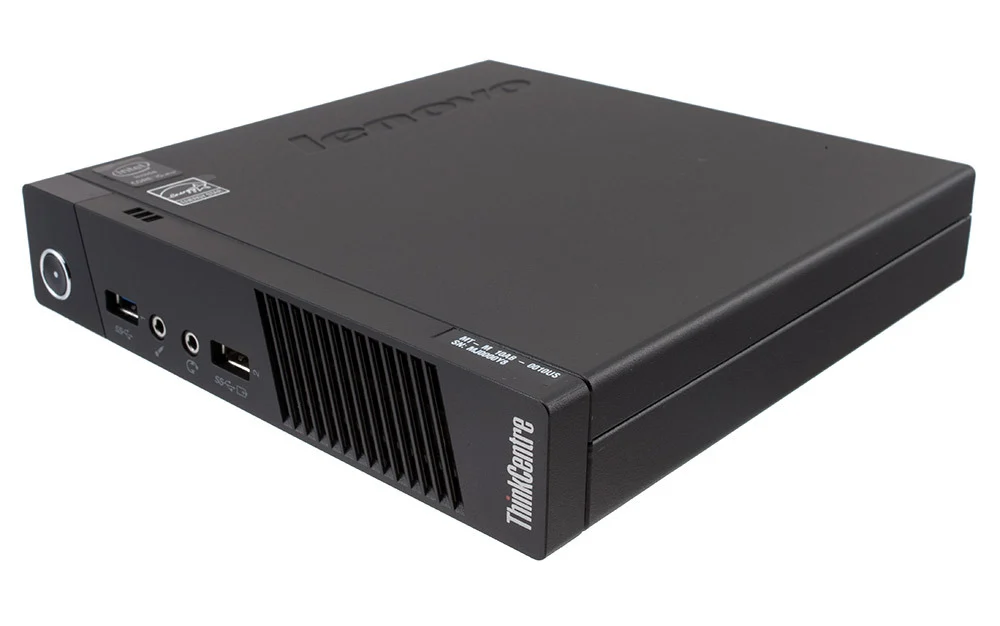
Mark’s Lenovo M93p Tiny PC and how he got it up and running.
Stuff includes:
– changing the BIOS battery, – re-pasting the CPU, – trying to add a mini-pci card — getting BIOS locked out when card is inserted (unauthorized!) — updating BIOS with trick to unblock the unauthorized card. – running the BIOS updater, – fixed, noisily the problem
Anyone want to bring their M93p tiny and do this stuff?
This is a Hybrid meeting (in-person and on Jitsi) NOTE: The online server is only available during meeting times, so if you click on the link below and it doesn’t work then there is no meeting and this is normal.
Object detection (identification of objects and their location in an image) is one of the most useful and widespread application of artificial intelligence, even on microcontrollers.
This demo shows how free, web-based tools designed for memory-constrained devices at www.edgeimpulse.com can be used to collect a dataset, train and test a neural network, and deploy it to an Arduino microcontroller to detect pop bottles.
This is a Hybrid meeting (in-person and on Jitsi) NOTE: The online server is only available during meeting times, so if you click on the link below and it doesn’t work then there is no meeting and this is normal.
This presentation will look at how to write a program in the Python programming language using a graphical user interface (GUI) library named PySide6.
Our example program will accept a string of text, usually an HTTP link, and perform some sort of processing on said string. As part of the architecture of the program, to increase generality and usefulness, we use a shell (Bourne is the example) script, which is used to hold the command or commands processing the string.
The Python GUI program will call this external program and capture its output.
We will also take a brief look at PyInstaller for creating a distributable single executable.
This is a Hybrid meeting (in-person and on Jitsi) NOTE: The online server is only available during meeting times, so if you click on the link below and it doesn’t work then there is no meeting and this is normal.
This is a Hybrid meeting (in-person and on Jitsi) NOTE: The online server is only available during meeting times, so if you click on the link below and it doesn’t work then there is no meeting and this is normal.
This presentation will look at how to write a program in the Python programming language using a graphical user interface (GUI) library named PySide6. Our example program will accept a string of text, usually an HTTP link, and perform some sort of processing on said string. As part of the architecture of the program, to increase generality and usefulness, we use a shell (Bourne is the example) script, which is used to hold the command or commands processing the string. The Python GUI program will call this external program and capture its output. We will also take a brief look at PyInstaller for creating a distributable single executable.
This is a Hybrid meeting (in-person and on Jitsi) NOTE: The online server is only available during meeting times, so if you click on the link below and it doesn’t work then there is no meeting and this is normal.
This is a Hybrid meeting (in-person and on Jitsi) NOTE: The online server is only available during meeting times, so if you click on the link below and it doesn’t work then there is no meeting and this is normal.